
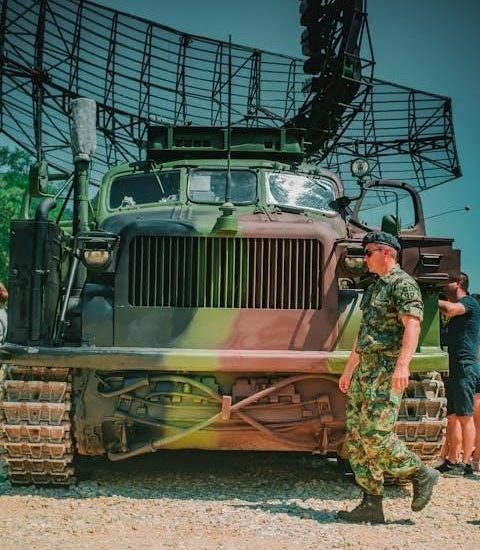
Army recruitment focuses on attracting dedicated individuals, while modernization efforts prioritize technological integration and leaner forces. Effective communication, including visual signals, remains crucial for mission success and maintaining a decisive edge on the battlefield.
Historical Overview of Visual Signaling
Throughout military history, visual signaling predates modern communication technologies, serving as a vital method for transmitting information across distances. Ancient civilizations employed fire beacons and smoke signals for alerting settlements and coordinating movements. The Greeks utilized heliographs – mirrors reflecting sunlight – to communicate across the Aegean Sea.
During the Napoleonic era, semaphore towers, employing flags and mechanical arms, became prominent for relaying messages rapidly. The U.S. Army adopted visual signaling extensively in the 19th and early 20th centuries, particularly in frontier operations and during conflicts like the Indian Wars. These early methods, while limited by weather and visibility, proved essential for command and control before the advent of radio and digital systems. The need for reliable, low-tech communication persists, informing modern ground guide signal practices.
Importance of Visual Signals in Modern Warfare
Despite advancements in digital communication, visual signals retain critical importance in modern warfare due to their inherent security and resilience. Unlike radio or satellite communications, visual signals are difficult to intercept and jam, offering a secure alternative when electronic systems are compromised or unavailable.
Furthermore, they provide a low-tech, reliable backup during equipment failures or in environments where electronic emissions must be minimized. Modern armies, focused on leaner, more lethal forces, recognize the value of simple, effective communication methods. Visual signals are particularly crucial for ground units operating in contested or remote areas, enhancing situational awareness and enabling coordinated maneuvers, complementing technologically advanced systems.

Types of Army Ground Guide Signals
Ground guide signals encompass panel configurations, pyrotechnic displays like flares and smoke, and light-based methods such as heliographs and flashlight Morse code.
Panel Signals
Panel signals represent a fundamental aspect of ground-to-ground communication, utilizing visually distinct arrangements to convey pre-determined messages. These signals are particularly valuable when radio silence is required or electronic communication is compromised. Standard panel configurations employ specific arrangements of colored flags or materials to indicate common instructions or status updates, such as direction of movement, assembly points, or warnings of potential hazards.
Furthermore, emergency panel signals are designed for critical situations, employing unique patterns to communicate distress, requests for immediate assistance, or reports of enemy activity. Proficiency in recognizing and deploying both standard and emergency panel signals is essential for all personnel operating in the field, ensuring rapid and accurate information dissemination even under challenging conditions. Careful consideration of background visibility and signal size is paramount for effective communication.
Standard Panel Configurations
Standard panel configurations rely on universally recognized arrangements to transmit common battlefield information efficiently. A vertically aligned panel typically indicates “Go,” while a horizontally positioned panel signifies “Halt.” Diagonal placements often denote directional guidance – upper right suggests “Move to my right,” and lower left indicates “Move to my left.” These simple, yet effective, signals minimize ambiguity and facilitate coordinated movement.
Further configurations include variations in color and size to convey additional details. For instance, a large, white panel might signal a designated landing zone. Consistent training and adherence to established protocols are vital to ensure all personnel interpret these configurations accurately, fostering seamless communication and enhancing operational effectiveness during missions.
Emergency Panel Signals
Emergency panel signals are critical for communicating urgent situations when standard methods fail or are impractical. An “X” configuration universally denotes a casualty or the need for immediate medical assistance. A panel waved slowly side-to-side indicates equipment malfunction or a request for maintenance support. Repeatedly raising and lowering a panel signals distress or a critical need for extraction.
These signals must be easily recognizable, even at a distance, and require swift, decisive action from responding units. Proper training emphasizes rapid identification and appropriate response protocols. Utilizing bright, contrasting colors enhances visibility, particularly in challenging environments. Effective implementation of emergency panel signals can significantly improve survival rates and mission outcomes.
Pyrotechnic Signals
Pyrotechnic signals offer powerful, attention-grabbing communication, especially over long distances or in low-visibility conditions. These signals, including flares and smoke, are vital for marking locations, signaling distress, or directing fire. Careful consideration must be given to weather conditions and surrounding terrain to maximize effectiveness and minimize risk.
Proper training in the safe handling, deployment, and interpretation of pyrotechnic signals is paramount. Understanding color coding – for example, white smoke for location, red for danger – is crucial for clear communication. Storage and launcher maintenance are also essential to ensure reliability when needed. These signals remain a cornerstone of battlefield communication.
Flares – Types and Usage
Flares are essential pyrotechnic signals used for illumination and signaling, categorized by duration and color. Red flares typically indicate distress or emergency situations, demanding immediate attention. White flares serve primarily for illumination, marking drop zones or identifying friendly positions during nighttime operations. Green flares can signal a need for assistance, though specific meanings may vary based on established protocols.
Proper deployment requires understanding burn times and potential hazards. Consideration of wind direction and surrounding terrain is vital to prevent unintended consequences. Soldiers must be proficient in identifying flare types and interpreting their signals accurately, ensuring swift and appropriate responses in dynamic combat scenarios. Safe handling and storage are also critical.
Smoke Signals – Color Coding and Meaning
Smoke signals offer versatile communication, utilizing colored smoke to convey specific messages. White smoke generally indicates a location requiring immediate medical evacuation or signifies a safe zone for assembly. Red smoke commonly signals danger, enemy contact, or a need for suppressive fire. Green smoke often denotes a location is clear of enemy activity or designates a friendly checkpoint.
Understanding these color codes is paramount for coordinated maneuvers and minimizing friendly fire incidents. Effective smoke signal usage requires consideration of wind conditions and visibility. Soldiers must practice deploying smoke accurately and interpreting signals swiftly, enhancing battlefield awareness and facilitating effective communication in obscured environments. Proper training is essential for safe and reliable operation.
Light Signals
Light signals represent a critical component of visual communication, particularly in low-light or obscured conditions. Historically, the heliograph, utilizing reflected sunlight, provided long-distance communication, though its use has diminished with technological advancements. Modern applications focus on flashlight signals, employing Morse code for discreet messaging.
Effective flashlight signaling demands proficiency in Morse code and careful control of flash duration and intervals. Light discipline is crucial to prevent enemy detection; signals must be brief and intermittent. Integrating light signals with other communication methods enhances redundancy and resilience. Training emphasizes signal security and rapid interpretation, ensuring timely and accurate information dissemination on the battlefield.
Helio-graph Communication
Helio-graph communication, a historical method of visual signaling, utilizes reflected sunlight to transmit messages over considerable distances. Employing a movable mirror, operators flash sunlight towards a receiving station, encoding messages using a pre-arranged code, often Morse code. This technique proved invaluable before the advent of modern radio communication, offering a reliable, albeit weather-dependent, means of long-range signaling.
While largely superseded by advanced technologies, understanding the principles of heliography provides valuable insight into the evolution of visual signaling. Successful operation requires clear visibility, precise mirror alignment, and skilled operators capable of rapid encoding and decoding. Though less prevalent today, its legacy underscores the ingenuity of early military communication methods.
Flashlight Signals – Morse Code Application
Flashlight signals, employing Morse code, represent a versatile and readily available method for short-to-medium range communication, particularly in low-light or nighttime conditions. Utilizing the standardized Morse code alphabet – dots and dashes represented by short and long flashes – operators can transmit messages discreetly and effectively.
Proficiency in Morse code is essential for successful flashlight signaling. Operators must maintain a consistent flash rhythm and understand proper spacing between letters and words. This technique is valuable for coordinating movements, relaying critical information, or requesting assistance when other communication methods are unavailable. Training emphasizes speed, accuracy, and signal security to prevent enemy interception.
Equipment Used for Visual Signaling
Essential tools include signal flags, mirrors for reflecting sunlight, and pyrotechnic devices like flares. These items facilitate communication, enhancing battlefield awareness and operational effectiveness.
Signal Flags and Pennants
Signal flags and pennants represent a foundational element of visual communication within the Army, offering a readily deployable and easily recognizable method for transmitting information across distances. These aren’t merely colorful fabrics; they are codified instruments, each color and arrangement holding specific meaning understood by trained personnel.
Historically, flags provided a crucial means of command and control, especially before the advent of sophisticated radio technology. Today, while technology dominates, flags remain vital for redundancy, particularly in scenarios where electronic communication is compromised or impractical. Different flag configurations convey pre-determined messages, ranging from simple acknowledgements to complex tactical instructions.
Pennants, often smaller and more streamlined than flags, serve similar purposes, frequently used for specific signaling tasks or to denote particular units or positions. Proper handling, display, and interpretation of these signals are critical skills honed through rigorous Army training programs, ensuring clear and concise communication on the modern battlefield.
Signal Mirrors
Signal mirrors represent a remarkably effective, low-tech solution for long-distance communication, leveraging the power of reflected sunlight. These devices, essential for survival, evasion, resistance, and escape (SERE) scenarios, allow soldiers to transmit signals over vast distances – potentially miles – even without line-of-sight radio capability.
The principle is simple: a focused beam of sunlight is flashed towards a receiver, utilizing a sighting hole to ensure accurate targeting. Skilled operators can employ Morse code or pre-arranged flash patterns to convey messages. Effective use requires practice, accounting for sun angle, distance, and atmospheric conditions.
Modern signal mirrors often incorporate features like a sighting hole and a protective cover. While seemingly basic, mastering signal mirror techniques remains a vital skill, providing a crucial backup communication method when other systems fail, reinforcing the Army’s commitment to adaptable and resilient communication strategies.
Pyrotechnic Devices – Launchers and Storage
Pyrotechnic devices, while potent signaling tools, demand strict adherence to safety protocols regarding launchers and storage. Launchers vary based on the specific pyrotechnic – handheld single-shot launchers for flares, and multi-tube launchers for smoke. Proper training on launcher operation is paramount to prevent accidental ignition or misdirection.
Storage requires cool, dry, and secure locations, away from potential ignition sources and unauthorized personnel. Ammunition technical manuals (ATMs) detail specific storage requirements, including temperature limits and separation from incompatible materials. Regular inventory checks are crucial to ensure device integrity and prevent degradation.
The Army prioritizes safe handling, emphasizing that improper storage or use can lead to severe consequences. Maintaining readiness necessitates diligent adherence to established procedures, safeguarding both personnel and the effectiveness of these vital signaling assets.

Decoding and Interpreting Signals
Accurate signal interpretation relies on understanding established codes and conventions, while vigilance against errors and security breaches is essential for maintaining operational effectiveness.

Understanding Signal Codes and Conventions
Effective communication through visual signals hinges on a shared understanding of established codes and conventions within the Army. These aren’t arbitrary; they’re meticulously designed systems ensuring clarity and minimizing misinterpretation, especially in high-stress combat scenarios. Signal codes often utilize pre-defined arrangements of flags, panels, or light flashes, each representing specific messages or instructions.
Furthermore, conventions dictate how signals are transmitted – factors like flash rate, panel orientation, and color combinations all contribute to the overall meaning. Proper training emphasizes memorization of these codes and a deep understanding of their application. Ignoring these established protocols can lead to critical errors with potentially devastating consequences. Maintaining signal security, preventing enemy interception, and adhering to these conventions are paramount for successful operations.
Common Signal Errors and How to Avoid Them
Despite rigorous training, signal errors inevitably occur. Common mistakes include incorrect panel configurations, misinterpreting flash patterns, and failing to account for environmental factors like sunlight or terrain obscuration. A frequently overlooked error is neglecting to verify signal reception – assuming a message was received without confirmation can be disastrous.
To mitigate these risks, emphasize clear and concise signaling, utilizing standardized procedures consistently. Implement a “read-back” protocol where the receiver repeats the message to confirm accuracy. Regular practice and field exercises are vital for honing skills and reinforcing proper techniques. Prioritizing signal discipline, coupled with a proactive approach to error prevention, significantly enhances communication reliability and operational effectiveness.
Signal Security – Preventing Enemy Interception
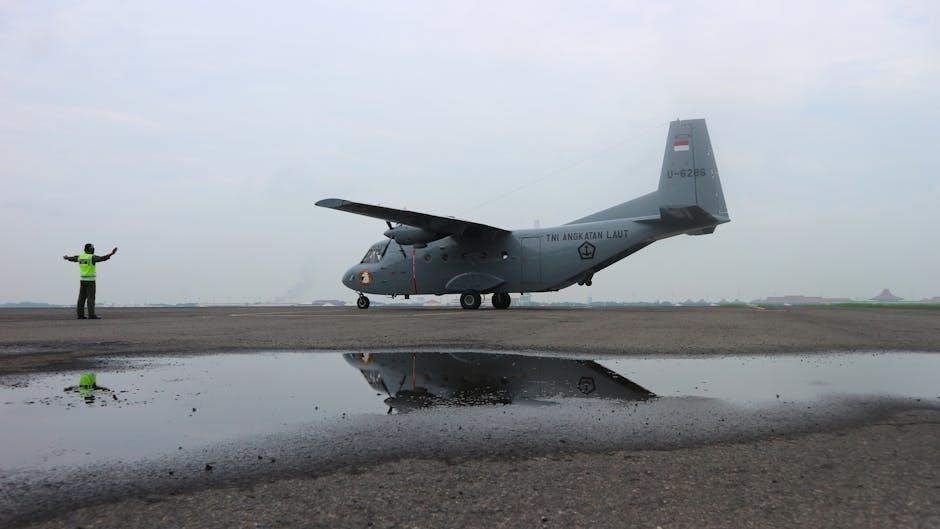
Maintaining signal security is paramount to prevent enemy interception and exploitation. Visual signals, while effective, are inherently vulnerable if proper precautions aren’t taken. Avoid predictable patterns or locations for signal transmission. Utilize terrain features for concealment, minimizing exposure to observation. Employ signal authentication codes to verify message legitimacy and detect tampering.
Furthermore, limit signal duration and frequency to reduce the window of opportunity for interception. Regularly change signal codes and procedures. Be mindful of light discipline, avoiding unnecessary illumination that could reveal your position. Integrating visual signals with other, more secure communication methods provides redundancy and enhances overall security, safeguarding critical information from hostile forces.

Training and Proficiency
Robust Army signal training programs, coupled with realistic field exercises, are essential for developing and maintaining proficiency in visual signaling techniques for all soldiers.
Army Signal Training Programs
Comprehensive Army signal training programs are designed to equip soldiers with the necessary skills to effectively utilize visual signaling methods in diverse operational environments. These programs begin with foundational instruction covering signal codes, conventions, and the proper use of signaling equipment like flags, mirrors, and pyrotechnic devices.
Curricula emphasize practical application through hands-on exercises, simulating real-world scenarios where clear and concise communication is paramount. Soldiers learn to decode and interpret signals accurately, identify common errors, and implement security measures to prevent enemy interception. Advanced training delves into terrain utilization for enhanced visibility and camouflage techniques to conceal signal operations.
Furthermore, programs integrate visual signaling with other communication methods, fostering a holistic understanding of battlefield communication strategies. Continuous education and refresher courses ensure soldiers maintain proficiency, adapting to evolving technologies and tactical doctrines. The Army’s commitment to robust training ensures its personnel are prepared to excel in complex operational environments.
Field Exercises and Signal Practice
Realistic field exercises are integral to solidifying soldiers’ understanding of visual signaling techniques. These exercises simulate combat scenarios, demanding rapid and accurate signal transmission and interpretation under pressure. Soldiers practice establishing communication lines using various methods – panel signals, pyrotechnics, and light signals – while navigating challenging terrain and adverse weather conditions.
Emphasis is placed on teamwork and coordination, as effective signaling relies on clear procedures and synchronized actions. Drills focus on minimizing signal errors, maintaining signal security, and adapting to unexpected disruptions. Scenarios often incorporate elements of camouflage and concealment, requiring soldiers to balance visibility with operational security.
Regular signal practice reinforces learned skills and builds muscle memory, ensuring soldiers can react instinctively in high-stress situations. These exercises are crucial for maintaining proficiency and preparing personnel for the demands of modern warfare, contributing to overall mission readiness.
Maintaining Signal Proficiency in Combat Situations
Sustained signal proficiency in combat demands continuous reinforcement and adaptation. Soldiers must routinely review signal codes, practice equipment operation, and participate in simulated communication exercises even during deployments. The dynamic battlefield necessitates quick thinking and the ability to improvise when standard procedures are compromised.
Leadership plays a vital role in fostering a culture of signal awareness, emphasizing the importance of clear communication and disciplined execution. Regular assessments and feedback help identify areas for improvement and address emerging challenges. Utilizing terrain features for enhanced visibility, while maintaining concealment, is paramount.
Integrating visual signals with other communication methods – radio, digital networks – creates redundancy and resilience. Soldiers must be prepared to transition seamlessly between different signaling techniques, ensuring uninterrupted communication despite enemy interference or equipment failures, ultimately bolstering mission success.

Advanced Visual Signaling Techniques
Effective signal operations require leveraging terrain, employing camouflage, and seamlessly integrating visual signals with diverse communication methods for battlefield adaptability and resilience.
Using Terrain to Enhance Signal Visibility
Strategic placement of signal personnel is paramount, utilizing elevated positions like hills or ridges to maximize line-of-sight communication range. Conversely, valleys and depressions can be exploited to conceal signal operations from enemy observation, maintaining crucial signal security. Understanding how light interacts with different terrains – forests, deserts, or urban environments – is vital for optimizing signal clarity and minimizing interference.
Careful consideration of background contrast is also essential; a brightly colored panel will be less visible against a similarly colored landscape. Utilizing natural features like rock formations or tree lines as backdrops can enhance signal prominence. Furthermore, anticipating atmospheric conditions, such as fog or haze, and adjusting signal techniques accordingly, ensures reliable communication even in challenging environments. Terrain analysis is a continuous process, adapting to changing battlefield conditions to maintain signal effectiveness.
Camouflage and Concealment of Signal Operations
Maintaining signal security necessitates meticulous camouflage and concealment practices. Signal personnel and equipment must blend seamlessly with the surrounding environment, minimizing visual detection by enemy forces. This includes utilizing natural vegetation, disruptive patterns, and shadow concealment to break up the outline of personnel and equipment. Avoiding predictable locations and establishing multiple, dispersed signal sites further complicates enemy targeting.
Furthermore, minimizing light discipline is crucial, especially during nighttime operations. Controlling reflections from signal mirrors and limiting the illumination from flashlights prevents unintended signal exposure. Regular rehearsals of concealment procedures and continuous assessment of the surrounding environment are vital for maintaining operational security. Effective camouflage isn’t merely about hiding; it’s about deception, creating a false impression of absence or innocuous activity.
Integrating Visual Signals with Other Communication Methods

Modern battlefield communication demands a layered approach, seamlessly integrating visual signals with radio, satellite, and digital networks. Visual signals serve as a crucial backup when primary communication systems are compromised or unavailable due to jamming, terrain interference, or enemy action. They provide a discreet, low-tech alternative, particularly valuable in scenarios requiring silence or minimizing electronic signatures.
Effective integration requires pre-planned protocols and cross-training. Personnel must understand how visual signals complement and enhance other communication methods, enabling a more robust and resilient network. Combining visual cues with encrypted radio transmissions, for example, can verify message authenticity and reduce the risk of interception. The Army’s push for technological advancement doesn’t diminish the importance of these foundational skills.

Future of Visual Signals in the Army
The Army’s future involves AI-driven signal analysis and advanced equipment, yet visual signals will remain relevant in multi-domain operations, ensuring communication resilience.
Technological Advancements in Signal Equipment
Modern advancements are poised to revolutionize Army visual signaling, moving beyond traditional flags and mirrors. The integration of secure, scalable, and user-friendly AI platforms will enhance signal processing and analysis, providing personnel with improved operational awareness. Expect to see digitally enhanced signal mirrors with integrated laser rangefinders and GPS capabilities, offering precise targeting and location data.
Furthermore, the development of lightweight, high-intensity LED signaling devices will increase visibility and range, particularly in low-light conditions. These devices could incorporate encrypted communication protocols to prevent enemy interception. The Army is actively seeking commercially available solutions to sustain capability growth, suggesting a focus on adaptable and readily deployable technologies. These innovations aim to equip soldiers with the tools needed to excel in complex and ever-changing battlefield environments, while still valuing the simplicity and reliability of core visual signaling principles.
AI and Automated Signal Analysis
Artificial Intelligence (AI) is rapidly transforming how the Army interprets and utilizes visual signals. Automated signal analysis systems can now rapidly decode complex patterns, identify anomalies, and predict potential enemy signaling activities. These systems enhance signal security by detecting and flagging potential interception attempts, bolstering communication integrity.
AI algorithms can also assist in filtering out background noise and improving the clarity of received signals, particularly in challenging environments. This technology supports faster decision-making and reduces the cognitive load on soldiers. The Army’s focus on providing a secure AI platform demonstrates a commitment to equipping personnel with advanced tools for operational effectiveness. Ultimately, AI-driven analysis will augment human capabilities, ensuring more reliable and efficient visual signal communication on the modern battlefield.
The Role of Visual Signals in Multi-Domain Operations
In the evolving landscape of multi-domain operations, visual signals retain critical importance despite advancements in digital communication. They offer a low-tech, resilient backup when other systems are compromised or unavailable, ensuring continued command and control. Visual signals facilitate coordination between ground forces and supporting elements across air, cyber, and space domains.
Their discreet nature can minimize electronic signatures, reducing vulnerability to enemy detection. Integrating visual signals with other communication methods creates a layered approach, enhancing overall operational security and effectiveness. The Army’s transformation towards a leaner, more lethal force necessitates adaptable communication strategies, where visual signals play a vital role in maintaining situational awareness and achieving decisive outcomes.