
Guitar Value Guide: An Overview
Navigating the guitar market requires understanding various factors; from brand prestige and instrument condition‚ to rarity and construction details.
This guide provides essential insights for both buyers and sellers‚ ensuring informed decisions when assessing guitar worth.
Understanding Guitar Valuation
Guitar valuation isn’t simply about the original price; it’s a complex assessment blending objective features with subjective market demand. A guitar’s value is determined by a confluence of elements‚ including its historical significance‚ the manufacturer’s reputation‚ and the quality of its components.
Understanding these factors is crucial for anyone looking to buy‚ sell‚ or insure an instrument. Market trends heavily influence pricing‚ with vintage guitars often appreciating significantly over time.
Condition plays a pivotal role – a well-maintained instrument commands a higher price. Furthermore‚ limited edition models or those associated with famous musicians can fetch substantial sums. Accurate valuation requires diligent research and‚ often‚ professional appraisal to avoid overpayment or undervaluation;
Factors Influencing Guitar Value
Several key elements dictate a guitar’s price: brand recognition‚ the instrument’s physical state‚ its scarcity‚ and the materials used in its construction.
Brand Reputation and History
A guitar’s brand carries significant weight in determining its value. Established names like Fender‚ Gibson‚ and Martin have decades of history and a reputation for quality craftsmanship‚ commanding higher prices.
Guitars from these brands often retain or even increase in value over time‚ particularly vintage models. The historical significance of a brand – innovations they pioneered‚ iconic musicians who played their instruments – all contribute to desirability.
Less well-known brands‚ while potentially offering excellent instruments‚ generally don’t achieve the same market value. Collector interest heavily favors brands with a strong legacy and a proven track record.
Understanding a brand’s story is crucial when evaluating a guitar’s worth‚ as it reflects perceived quality and long-term investment potential.
Condition of the Guitar
The physical condition of a guitar is a primary driver of its value. A guitar in pristine‚ like-new condition will naturally fetch a higher price than one with significant wear and tear.
Factors assessed include finish flaws (scratches‚ dings‚ fading)‚ hardware functionality (tuning pegs‚ pickups‚ electronics)‚ neck condition (straightness‚ fretwear)‚ and structural integrity (cracks‚ repairs).
Even minor cosmetic imperfections can reduce value‚ while major repairs‚ especially those affecting playability‚ can significantly diminish it.
“Player’s grade” guitars‚ showing considerable use‚ are typically valued lower‚ but can be appealing to musicians seeking an instrument for regular playing. Accurate and honest assessment of condition is vital for fair valuation.
Rarity and Limited Editions
Scarcity dramatically impacts a guitar’s value. Limited edition models‚ produced in small quantities‚ often command premiums due to their exclusivity. Vintage guitars‚ particularly those from specific years or with unique features‚ can be exceptionally valuable.
Factors contributing to rarity include limited production runs‚ special collaborations‚ or discontinued models. Guitars associated with famous musicians or historical events also gain value.
Documentation verifying authenticity and limited edition status is crucial.

Collectors actively seek rare instruments‚ driving up demand and prices. Thorough research into production numbers and historical significance is essential when evaluating a guitar’s rarity and potential worth.
Materials and Construction
The quality of materials significantly influences guitar value. Tonewoods like mahogany‚ rosewood‚ and maple contribute to tonal characteristics and aesthetic appeal. Solid wood construction is generally more desirable than laminate‚ enhancing resonance and sustain.
Construction techniques‚ such as dovetail neck joints and bracing patterns‚ impact structural integrity and sound projection. Attention to detail in binding‚ inlays‚ and finish work also adds value.
Higher-grade hardware‚ including tuners‚ bridges‚ and pickups‚ improves performance and durability.
Expert craftsmanship and meticulous attention to detail elevate a guitar’s overall quality and‚ consequently‚ its market price.
Types of Guitars and Their Value Ranges
Guitar values vary widely based on type: acoustic‚ electric‚ and bass each have distinct pricing structures influenced by features and demand.
Acoustic Guitars: Value Breakdown
Acoustic guitar pricing is incredibly diverse‚ ranging from beginner instruments under $200 to high-end models exceeding $5‚000. Entry-level acoustics‚ often laminate-bodied‚ are ideal for learning and casual playing. Solid-wood acoustics‚ like those from Martin or Taylor‚ typically start around $1‚000 and offer richer tones.
Body style significantly impacts value. Dreadnought guitars‚ known for their powerful projection‚ are popular and hold good resale value. Smaller body styles‚ such as concert or grand auditorium‚ may appeal to different players and have varying price points. Acoustic-electric models‚ with built-in pickups‚ generally command a premium.
Condition is paramount; even minor damage can reduce value. Vintage acoustics‚ especially those from renowned builders‚ can be exceptionally valuable‚ often appreciating over time.
Dreadnought vs. Other Body Styles
Dreadnought guitars are the most common acoustic shape‚ prized for their loud volume and full bass response‚ typically valued between $300-$2‚500 depending on materials. Their larger size contributes to this projection‚ making them popular for strumming and bluegrass. However‚ other body styles offer unique tonal characteristics.
Concert and Grand Auditorium guitars‚ smaller than dreadnoughts‚ provide a more balanced tone with enhanced clarity‚ often ranging from $400-$3‚000. Parlor guitars‚ even smaller‚ offer intimacy and portability‚ generally valued $200-$1‚500. Jumbo guitars deliver powerful volume with a broader sound‚ typically $500-$3‚500.
Value is influenced by wood choices and construction; a well-built smaller body guitar can exceed the price of a poorly constructed dreadnought.
Electric Guitars: Value Breakdown
Electric guitar values vary dramatically‚ influenced by brand‚ components‚ and historical significance. Entry-level guitars‚ often manufactured with simpler materials‚ typically range from $200 to $800‚ suitable for beginners. Mid-range instruments‚ featuring better pickups and construction‚ fall between $800 and $2‚000‚ appealing to intermediate players.
Professional-grade guitars‚ crafted with premium woods and high-end electronics‚ can easily exceed $2‚000‚ reaching tens of thousands for vintage or limited-edition models. Factors like pickups (single-coil vs. humbucker) and hardware significantly impact value.
Condition plays a crucial role; even a high-end guitar with significant wear will be worth less than a pristine example.
Solid Body vs. Hollow Body
Solid-body electric guitars‚ like Fender Stratocasters and Gibson Les Pauls‚ generally command higher resale values due to their versatility and association with iconic musicians. Their focused tone and sustain make them popular across genres‚ driving demand. Prices range widely‚ from a few hundred to exceeding $50‚000 for vintage examples.
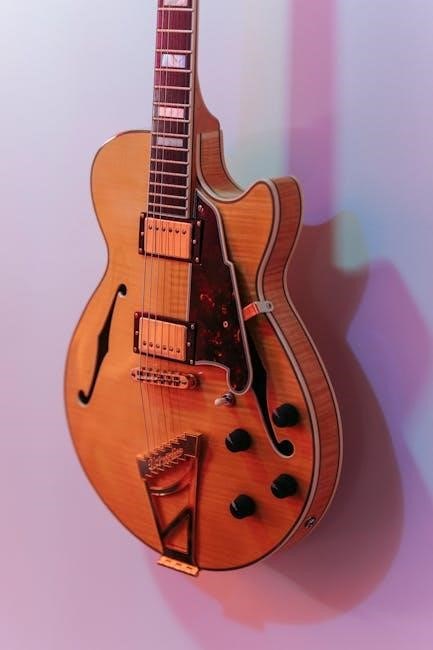
Hollow-body guitars‚ favored in jazz and blues‚ offer a warmer‚ more resonant tone. While highly desirable‚ they often fetch lower prices than comparable solid-bodies‚ typically ranging from $500 to $10‚000‚ depending on brand and condition.
Semi-hollow bodies bridge the gap‚ offering a blend of characteristics and moderate value.
Bass Guitars: Value Breakdown
Bass guitar valuation mirrors that of six-string instruments‚ influenced by brand‚ age‚ and condition. Fender Precision and Jazz Basses consistently hold strong value‚ particularly vintage models‚ often exceeding $5‚000 and climbing into the tens of thousands for rare examples.
Rickenbacker basses‚ known for their distinctive tone‚ also command premium prices. Newer‚ mass-produced basses typically fall within the $300-$1‚500 range. Construction materials – like wood type and hardware quality – significantly impact value.

Active electronics and unique finishes can also increase a bass’s worth on the used market.
Key Brands and Their Typical Value
Established brands like Fender‚ Gibson‚ and Martin dictate substantial market value‚ with vintage and limited-edition models commanding the highest prices among collectors.
Fender Guitars: Value Guide
Fender guitars‚ particularly Stratocasters and Telecasters‚ hold a significant place in music history‚ influencing their market value. Vintage models‚ especially those from the 1950s and 60s‚ can reach astonishing prices – often exceeding $20‚000‚ and sometimes much more‚ depending on condition and provenance.
Modern Fender guitars‚ like those from the Mexican and American Professional II series‚ generally range from $800 to $2‚500. Limited edition and custom shop models can easily surpass $4‚000. Factors impacting value include the year of manufacture‚ original finish‚ hardware originality‚ and any modifications. Reissues and Artist Series instruments also command premiums.
Condition is paramount; guitars in excellent‚ all-original condition fetch the highest prices. Even minor repairs can affect value‚ so a professional assessment is recommended before buying or selling. Online marketplaces like Reverb provide a wealth of data on recent sales‚ offering a realistic gauge of current market trends for specific Fender models.
Gibson Guitars: Value Guide
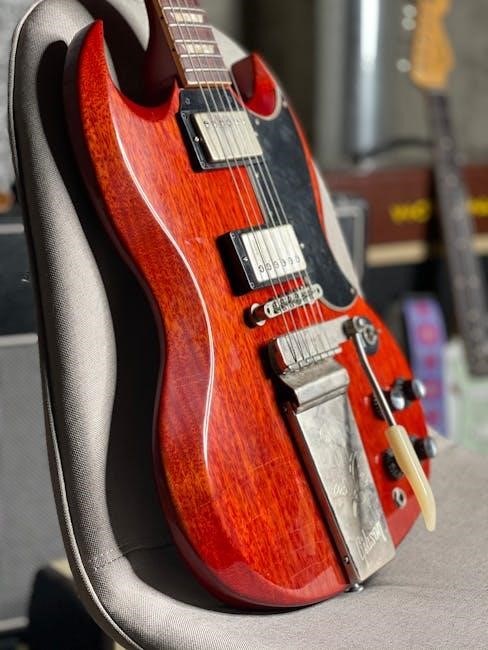
Gibson guitars‚ renowned for models like the Les Paul and SG‚ consistently command high values‚ particularly vintage instruments. Pre-1970s Les Pauls‚ especially those in sunburst finishes‚ can easily exceed $50‚000‚ with rare examples reaching six figures. Condition‚ originality‚ and historical significance are key determinants of price.
Modern Gibson production models‚ including the Standard and Studio series‚ typically range from $2‚000 to $5‚000. Limited runs‚ signature models‚ and those with desirable features (like figured maple tops) often command higher prices. Factors like the year of manufacture‚ neck profile‚ and pickup configuration influence value.
Authenticity is crucial with Gibson; counterfeits are prevalent. A professional appraisal is highly recommended. Reverb and other online marketplaces offer sales data‚ but expert evaluation is vital for accurate assessment.
Martin Guitars: Value Guide
Martin guitars‚ particularly dreadnought models like the D-28 and D-18‚ are highly sought after and retain value exceptionally well. Pre-1970s Martins‚ especially those in excellent condition‚ can range from $5‚000 to $30‚000 or more‚ depending on rarity and features. Originality is paramount; modifications significantly decrease value.
Modern Martin production models‚ including the Standard and Performing Artist series‚ generally fall between $2‚000 and $8‚000. Limited editions‚ such as the Authentic series‚ command premium prices. Factors like bracing patterns‚ wood selection‚ and finish contribute to valuation.
Careful inspection for cracks‚ bracing issues‚ and neck resets is essential. A professional appraisal confirms authenticity and assesses condition accurately‚ protecting against overpayment.

Where to Research Guitar Values
Reliable valuation requires exploring online marketplaces like Reverb and eBay‚ utilizing guitar appraisal services‚ and consulting vintage price guides for accurate data.
Online Guitar Marketplaces (Reverb‚ eBay)
Reverb and eBay are invaluable resources for gauging current guitar values‚ offering a vast database of completed sales. These platforms provide real-time market data‚ showcasing what similar guitars are actually selling for‚ not just asking prices.
Filtering searches by condition‚ year‚ and modifications is crucial for accurate comparisons. Pay close attention to “Sold” listings‚ as these reflect genuine transaction prices.
eBay’s auction format can sometimes yield bargains‚ but requires diligent monitoring. Reverb often features more specialized guitar sellers and detailed descriptions.
Remember to factor in shipping costs when evaluating final prices. Both platforms offer buyer protection‚ but always review seller feedback before committing to a purchase. Consistent monitoring of these marketplaces builds a strong understanding of fluctuating guitar values.
Guitar Appraisal Services
Professional guitar appraisal services offer a detailed and objective valuation‚ particularly beneficial for vintage or high-end instruments. These services are conducted by experienced appraisers who consider all relevant factors – brand‚ model‚ condition‚ rarity‚ and historical significance.
A formal appraisal provides a documented assessment‚ useful for insurance purposes‚ estate planning‚ or sale negotiations. Appraisals typically involve a physical inspection of the guitar‚ along with thorough research of comparable sales.
While appraisal fees apply‚ the accuracy and peace of mind they provide can be worthwhile‚ especially for valuable instruments. Look for appraisers certified by reputable organizations.
Consider the appraiser’s specialization; some focus on vintage guitars‚ while others specialize in specific brands. A comprehensive appraisal report will detail the methodology used and justify the final valuation.
Vintage Guitar Price Guides
Vintage guitar price guides are valuable resources‚ offering a historical overview of sales data for specific models and years. These guides compile information from past auctions‚ sales records‚ and expert opinions‚ providing a range of estimated values.
However‚ it’s crucial to remember that price guides are just starting points. Actual value can vary significantly based on condition‚ modifications‚ and provenance. Guides often categorize condition levels (e.g.‚ mint‚ excellent‚ good) to refine estimates.
Popular guides include those published by Vintage Guitar magazine and online databases maintained by guitar communities.
Always cross-reference information from multiple sources and consider recent market trends. Price guides are most effective when used in conjunction with other valuation methods‚ like online marketplaces and professional appraisals.
Identifying Red Flags and Avoiding Overpayment
Be cautious of deals that seem too good to be true‚ undisclosed repairs‚ or sellers lacking detailed photos and descriptions.
Common Guitar Scams
Unfortunately‚ the guitar market attracts fraudulent activity. One prevalent scam involves sellers offering guitars at significantly below-market prices‚ often claiming a sob story or urgent need for funds. These are frequently counterfeit instruments or stolen property.
“Franken Guitars” – guitars assembled from various parts‚ often misrepresented as original models – are another concern. Watch for mismatched hardware‚ poorly executed repairs‚ or inconsistencies in the finish.
Beware of sellers refusing inspections or pressuring you into quick transactions. Always request detailed photos‚ including close-ups of serial numbers‚ headstock logos‚ and any potential flaws. Verify the serial number with the manufacturer to confirm authenticity. Utilize secure payment methods and avoid wire transfers or cash transactions with unknown individuals.
Importance of a Professional Inspection
Before finalizing any significant guitar purchase‚ especially vintage or high-value instruments‚ a professional inspection is crucial. A qualified luthier can identify hidden issues – such as neck warping‚ structural cracks‚ or replaced parts – that may not be apparent to the untrained eye.
An inspection provides an unbiased assessment of the guitar’s condition‚ confirming its authenticity and overall value. This service typically involves a thorough examination of the instrument’s construction‚ electronics‚ and playability.
The cost of an inspection is a small investment compared to the potential expense of repairing undisclosed damage or discovering a fraudulent instrument. A detailed report from the luthier offers peace of mind and strengthens your negotiating position.