

Sensory Integration Activities PDF: A Comprehensive Plan
Sensory‚ a tech firm licensing embedded AI‚ intersects with the growing need for accessible sensory integration resources‚ often compiled into PDF formats.
These PDF guides‚ like Tubi’s expansive library‚ aim to deliver comprehensive support‚ offering structured activities for diverse needs and age groups.
TrulyHandsfree technology‚ mirroring the goal of seamless access‚ exemplifies how user-friendly design enhances engagement with sensory experiences detailed within these PDFs.
The Automotive Siren Detection System‚ prioritizing safety‚ parallels the careful consideration required when selecting and implementing sensory integration activities from a PDF.
Generative AI tools‚ integrated into Sensory’s web portal‚ could potentially revolutionize the creation and personalization of sensory integration activities PDFs in the future.
Sensory integration is a neurological process organizing sensations from the body and environment‚ enabling functional behavior. This foundational concept underpins the creation of sensory integration activities‚ often documented and shared as PDF resources.
The increasing availability of these PDF guides reflects a growing understanding of sensory processing differences and the benefits of targeted interventions. Much like Tubi provides a vast library of entertainment‚ these PDFs aim to offer a comprehensive collection of activities.
Sensory’s focus on making technology safer and easier to use mirrors the intent behind sensory integration – to optimize the brain’s ability to process information. TrulyHandsfree voice control‚ emphasizing seamless interaction‚ highlights the importance of accessible and intuitive experiences‚ a principle applicable to sensory activities.
The development of embedded AI‚ as seen with Sensory’s Automotive Siren Detection System‚ demonstrates a commitment to proactive support‚ similar to how sensory integration activities proactively address underlying sensory needs. These PDFs serve as practical tools for therapists‚ educators‚ and parents seeking to enhance sensory processing skills.
II. Understanding Sensory Processing Disorder (SPD)
Sensory Processing Disorder (SPD) affects how the brain interprets sensory information‚ leading to challenges in daily functioning. Individuals with SPD may over- or under-respond to stimuli‚ impacting behavior and learning. Sensory integration activities‚ often compiled into PDF guides‚ are designed to address these challenges.
Similar to Tubi’s diverse content catering to varied preferences‚ sensory integration activities PDFs offer a range of options to meet individual sensory profiles. Sensory’s technology‚ focused on user experience‚ parallels the need for personalized interventions in SPD.
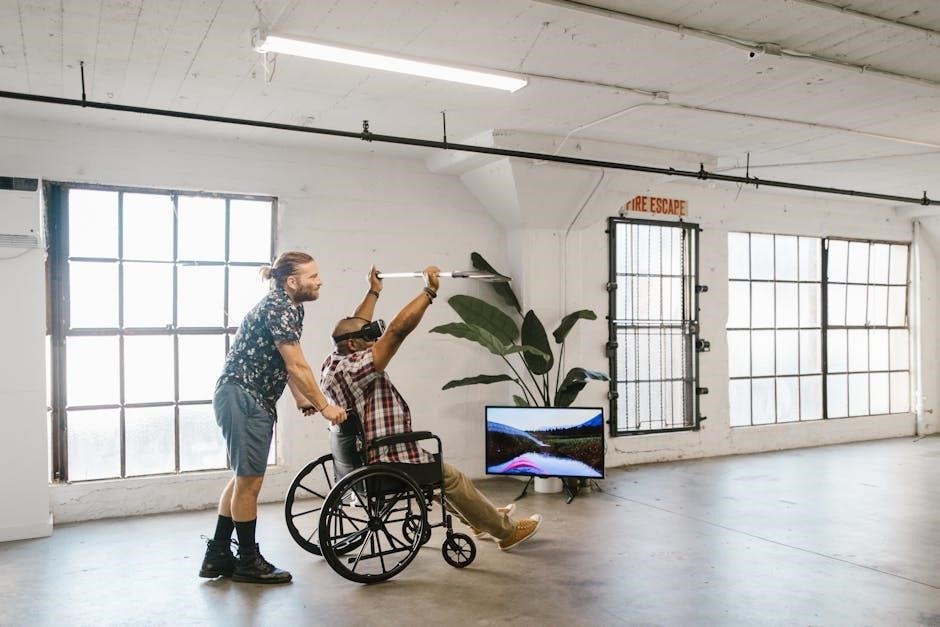
The concept of “TrulyHandsfree” control emphasizes ease of use‚ mirroring the goal of making sensory experiences more manageable for those with SPD. Just as Sensory’s Automotive Siren Detection System enhances safety‚ sensory integration aims to create a more regulated and predictable sensory environment.
These PDF resources provide structured activities to help individuals with SPD improve their ability to process and respond to sensory input‚ promoting adaptive behavior and participation in daily life. The accessibility of PDF formats ensures wider dissemination of these valuable tools.
III. The Role of a Sensory Integration Activities PDF
A Sensory Integration Activities PDF serves as a centralized‚ accessible resource for implementing therapeutic interventions. Much like Tubi provides a vast library of entertainment‚ these PDFs curate a collection of activities targeting specific sensory systems. The convenience of a digital format allows for easy distribution and repeated use.
Sensory’s focus on embedded AI highlights the potential for personalized experiences; similarly‚ a well-designed PDF can offer tailored activity suggestions based on individual needs. The “TrulyHandsfree” technology exemplifies user-friendliness‚ a crucial aspect of effective sensory interventions.
Just as Sensory’s Automotive Siren Detection System prioritizes safety‚ a sensory integration activities PDF should include safety guidelines and modifications for diverse abilities. The integration of generative AI‚ as seen in Sensory’s web portal‚ could automate PDF creation and customization.
Ultimately‚ the PDF empowers caregivers‚ educators‚ and therapists to deliver consistent and effective sensory support‚ fostering improved regulation‚ attention‚ and participation in daily life. It’s a practical tool for translating therapeutic principles into actionable strategies.
IV. Core Sensory Systems Addressed in Activities
Sensory Integration Activities PDFs comprehensively address seven core sensory systems. The vestibular system‚ crucial for balance and spatial orientation‚ is targeted through activities like swinging and spinning – mirroring Sensory’s focus on motion detection in automotive safety systems.
Proprioception‚ our sense of body awareness‚ is stimulated with activities involving resistance and heavy work. Tactile activities‚ ranging from textures to deep pressure‚ are vital for sensory regulation‚ akin to the “TrulyHandsfree” technology’s responsive interface.
Auditory and visual systems are addressed through controlled sensory input‚ while olfactory and gustatory systems‚ often overlooked‚ are engaged with scents and tastes. Like Sensory’s AI-powered tools‚ these activities aim to refine sensory processing.
Effective PDFs categorize activities by system‚ offering targeted interventions. The goal is to improve the brain’s ability to process and integrate sensory information‚ enhancing overall function and mirroring Sensory’s commitment to user experience.
A. Vestibular System Activities
Sensory Integration Activities PDFs dedicated to the vestibular system focus on movement and balance. Activities like swinging‚ rocking‚ and spinning are foundational‚ promoting sensory modulation – much like Sensory’s technology aims to stabilize and enhance user interaction.
These PDFs often include variations in speed and direction to challenge the system‚ building tolerance and coordination. Activities such as rolling‚ jumping‚ and obstacle courses are also common‚ mirroring the dynamic nature of Sensory’s automotive siren detection system.
Careful consideration is given to safety‚ with guidelines for appropriate support and supervision. The goal is to improve postural control and spatial awareness‚ similar to how “TrulyHandsfree” provides a stable and intuitive voice experience.
PDFs may suggest incorporating linear and rotational movements‚ catering to individual needs. These activities‚ when implemented correctly‚ can significantly improve focus and reduce sensory defensiveness.
B. Proprioceptive System Activities
Sensory Integration Activities PDFs targeting the proprioceptive system emphasize deep pressure and joint compression. These activities‚ like Sensory’s embedded AI‚ aim to provide a stable and grounded experience‚ enhancing body awareness.
Common exercises detailed in these PDFs include wall pushes‚ animal walks (bear walks‚ crab walks)‚ and carrying weighted objects. Heavy work‚ such as pushing or pulling‚ is frequently recommended‚ mirroring the robust functionality of Sensory’s technology.
The goal is to improve body position sense and coordination‚ fostering a feeling of security and calm. Activities like joint compressions and resistance exercises are also included‚ promoting muscle strength and stability.
PDF guides often suggest adapting activities to different strength levels and abilities‚ ensuring accessibility. Just as “TrulyHandsfree” offers a seamless user experience‚ these activities should feel comfortable and effective.
These exercises can be particularly helpful for individuals with sensory processing difficulties‚ promoting self-regulation and reducing anxiety.
C. Tactile System Activities
Sensory Integration Activities PDFs dedicated to the tactile system focus on exploring different textures and sensations. Similar to Sensory’s focus on user interaction‚ these activities aim to refine the brain’s ability to interpret touch.
PDF guides commonly suggest activities like playing with playdough‚ sand‚ water beads‚ or shaving cream. Tactile bins filled with various materials (rice‚ beans‚ pasta) are also popular‚ offering diverse sensory input.
Deep pressure touch‚ like firm hugs or weighted blankets‚ is often included‚ providing a calming and organizing effect. Activities involving painting with fingers or body painting are also recommended‚ encouraging exploration.
These PDFs emphasize differentiating between light and heavy touch‚ as well as identifying textures without looking; Like the “TrulyHandsfree” SDK‚ the goal is to enhance responsiveness and accuracy.
Adapting activities to individual sensitivities is crucial‚ ensuring a positive and comfortable experience. Careful observation and modification are key‚ mirroring Sensory’s commitment to safety and usability.
D. Auditory System Activities
Sensory Integration Activities PDFs addressing the auditory system concentrate on processing sounds effectively‚ much like Sensory’s expertise in speech processing. These resources aim to improve auditory discrimination and tolerance.
PDF guides often include activities like listening to different types of music‚ identifying sounds with eyes closed‚ or using instruments to create rhythms. Sound localization games – pinpointing sound sources – are also common.
Activities involving noise reduction‚ like using headphones or earplugs in controlled environments‚ help individuals manage auditory overload. Similar to the wake word technology‚ filtering relevant sounds is key.
These PDFs may suggest creating “sound jars” filled with materials that produce distinct sounds when shaken. Activities focusing on varying volume levels and pitch are also frequently included.
Adapting activities to individual sensitivities is vital‚ recognizing that some sounds may be overwhelming. Like Sensory’s focus on user experience‚ comfort and safety are paramount when implementing these auditory exercises.
E. Visual System Activities
Sensory Integration Activities PDFs focusing on the visual system aim to enhance visual perception and processing skills‚ mirroring Sensory’s advancements in computer vision. These resources address challenges with visual tracking‚ spatial awareness‚ and visual discrimination.
PDF guides commonly feature activities like puzzles‚ building with blocks‚ and tracing shapes to improve visual-motor coordination. Activities involving colored lights or filters can help regulate visual stimulation.
Visual tracking exercises‚ such as following a moving object with the eyes‚ are frequently included. Similar to face recognition technology‚ these exercises refine the ability to focus and follow visual stimuli.
Creating visual schedules or using visual timers can aid in organization and predictability. Activities involving searching for hidden objects or matching patterns are also beneficial.
Adapting activities to individual visual sensitivities is crucial‚ recognizing potential triggers like bright lights or busy patterns. Like Sensory’s commitment to user-friendly technology‚ comfort and clarity are essential.
F. Olfactory & Gustatory System Activities
Sensory Integration Activities PDFs often include exercises targeting the olfactory (smell) and gustatory (taste) systems‚ acknowledging their crucial role in overall sensory processing. These activities‚ though sometimes overlooked‚ can significantly impact emotional regulation and body awareness.
PDF resources suggest “smell jars” containing various scents – spices‚ extracts‚ or essential oils – for identification and discrimination. Taste tests with different flavors (sweet‚ sour‚ salty‚ bitter) are also common‚ promoting oral awareness.
Activities might involve blindfolded scent identification or pairing smells with corresponding objects. Similar to Sensory’s focus on accurate recognition‚ these exercises refine discriminatory abilities.
Careful consideration of sensitivities is vital; strong smells or textures can be overwhelming. Introducing new scents and tastes gradually is recommended.
Like the diverse content on Tubi‚ offering a range of olfactory and gustatory experiences caters to individual preferences and promotes exploration. Safety regarding allergies is paramount.
V. Types of Sensory Integration Activities
Sensory Integration Activities PDFs categorize exercises based on the type of sensory input and the skills they target. A comprehensive PDF will detail a wide spectrum‚ mirroring Tubi’s extensive content library.
Gross Motor Activities‚ like obstacle courses or jumping‚ address vestibular and proprioceptive systems. Fine Motor Activities‚ such as building with blocks or threading beads‚ refine tactile and visual-motor skills.
Creative & Artistic Activities – painting‚ drawing‚ sculpting – engage multiple senses simultaneously‚ fostering self-expression. Activities for Calming & Regulation‚ like deep pressure or weighted blankets‚ help manage overstimulation.
Conversely‚ Activities for Alerting & Arousal‚ such as brisk movement or stimulating music‚ can increase focus. Like Sensory’s technology aiming to enhance user experience‚ these activities are designed to optimize sensory states.
A well-structured PDF will provide clear instructions and modifications‚ ensuring activities are adaptable and safe‚ much like TrulyHandsfree’s adaptable voice control.

A. Gross Motor Activities
Gross Motor Activities‚ frequently detailed in Sensory Integration Activities PDFs‚ focus on large muscle movements‚ profoundly impacting the vestibular and proprioceptive systems. These activities‚ much like Sensory’s embedded AI enhancing product safety‚ aim to improve body awareness and coordination.
Examples include obstacle courses‚ jumping on trampolines‚ running‚ climbing‚ and animal walks. A good PDF will illustrate variations for different skill levels‚ mirroring Tubi’s diverse content offerings.
Activities like swinging provide vestibular input‚ crucial for balance and spatial orientation. Crawling through tunnels offers proprioceptive feedback‚ enhancing body position sense.

These exercises‚ similar to the Automotive Siren Detection System’s responsiveness‚ require active engagement and promote core strength. PDF guides often suggest incorporating music or themes to increase motivation.
Safety is paramount; a comprehensive PDF will emphasize appropriate supervision and modifications to prevent injury‚ ensuring a positive sensory experience.
Proprioceptive System Activities‚ commonly found within Sensory Integration Activities PDFs‚ concentrate on body awareness and joint compression‚ mirroring Sensory’s focus on enhancing user interaction through technology. These exercises are vital for individuals needing improved coordination and stability.
Activities include wall push-ups‚ animal walks (bear walks‚ crab walks)‚ carrying weighted objects‚ and heavy work tasks like moving books or furniture. A well-structured PDF will detail modifications for varying abilities‚ akin to Tubi’s extensive content library.
Joint compression provides crucial feedback‚ aiding in body position sense. Weighted vests or blankets can offer consistent proprioceptive input‚ promoting calmness and focus.
These activities‚ like the responsiveness of the Automotive Siren Detection System‚ require focused effort and build strength. PDF guides often suggest incorporating these into daily routines.
Safety is key; a thorough PDF will emphasize proper form and supervision‚ ensuring a positive and beneficial sensory experience.
C. Creative & Artistic Activities
Creative & Artistic Activities‚ frequently detailed in Sensory Integration Activities PDFs‚ offer a multi-sensory experience‚ much like Tubi’s diverse entertainment library caters to varied preferences. These activities stimulate multiple sensory systems simultaneously‚ fostering self-expression and regulation.
Examples include finger painting‚ playdough sculpting‚ drawing with textured crayons‚ and creating collages with diverse materials. A comprehensive PDF will suggest adaptations based on individual sensory sensitivities.
The act of creating engages fine motor skills and provides opportunities for tactile exploration. Similar to Sensory’s TrulyHandsfree technology‚ these activities promote intuitive engagement.
Music and art therapy components can be integrated‚ offering emotional outlets and enhancing self-awareness. PDF guides often include suggested playlists or art prompts.
These activities‚ like the innovative features of Sensory’s web portal‚ encourage experimentation and problem-solving‚ fostering a sense of accomplishment.
D; Activities for Calming & Regulation
Activities for Calming & Regulation‚ central to many Sensory Integration Activities PDFs‚ aim to reduce sensory overload and promote a state of equilibrium‚ akin to Tubi offering a vast library to suit any mood.
These often include deep pressure activities like weighted blankets or firm hugs‚ mirroring the secure activation provided by Sensory’s wake word technology. PDF guides detail safe application and duration.
Slow‚ rhythmic movements‚ such as rocking or swinging‚ can be incredibly soothing. Quiet spaces with dim lighting and calming music are also recommended‚ creating a sanctuary.

Tactile strategies like playing with sand or water‚ or using fidget toys‚ provide focused sensory input. These are often categorized within a PDF by sensory system.
Similar to Sensory’s Automotive Siren Detection System prioritizing safety‚ these activities prioritize emotional and physiological well-being‚ fostering self-regulation skills.
E. Activities for Alerting & Arousal
Activities for Alerting & Arousal‚ frequently detailed in Sensory Integration Activities PDFs‚ are designed to increase focus and engagement‚ much like Tubi’s diverse content aims to capture attention.
These often involve brisk movement‚ such as jumping jacks or running‚ providing proprioceptive input. Spinning or swinging (with appropriate safety measures) can also be effective‚ mirroring Sensory’s dynamic technology.
Bright colors‚ strong scents (like citrus)‚ and loud (but not overwhelming) sounds can provide sensory stimulation. PDF guides emphasize careful monitoring of individual responses.
Tactile activities like playing with textured materials or using vibrating toys can also be alerting. These are often presented with visual aids within the PDF.
Similar to Sensory’s TrulyHandsfree voice control‚ these activities aim to enhance responsiveness and interaction with the environment‚ promoting active participation and improved cognitive function.
VI. Creating a Sensory Integration Activities PDF

Developing a comprehensive Sensory Integration Activities PDF requires careful planning‚ akin to Tubi curating its extensive streaming library. Accessibility is paramount; structuring the PDF with clear headings and navigable links is crucial.
Categorizing activities by sensory system – vestibular‚ proprioceptive‚ tactile‚ etc. – facilitates easy searching‚ mirroring Sensory’s organized technology solutions. High-quality visual aids‚ like photos or illustrations‚ are essential for clarity.
Detailed instructions‚ including safety precautions and modifications for different skill levels‚ should accompany each activity. Consider incorporating a table of contents and an index for quick reference.
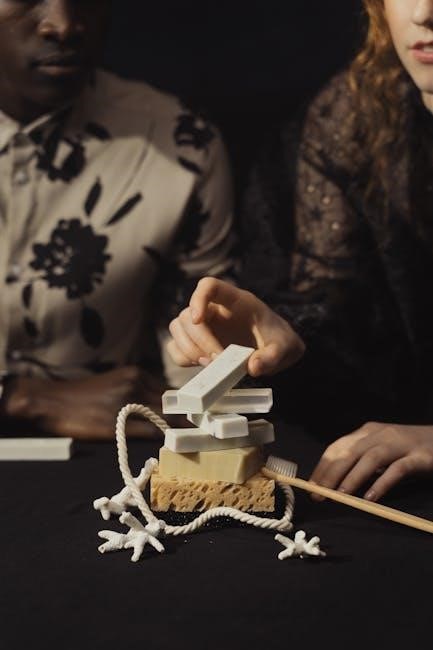
Leveraging tools that ensure PDF accessibility for individuals with visual impairments is vital. Like Sensory’s focus on user experience‚ the PDF should be intuitive and engaging.
Regularly updating the PDF with new activities and research findings ensures its continued relevance and value‚ much like Tubi’s constantly expanding content offerings.
A. Structuring the PDF for Accessibility
Ensuring a Sensory Integration Activities PDF is accessible mirrors Sensory’s commitment to user-friendly technology‚ like TrulyHandsfree voice control. Logical heading structures (H1‚ H2‚ H3) are fundamental for screen readers‚ enabling easy navigation.
Alt text for all images is crucial‚ providing descriptive information for visually impaired users – akin to Tubi offering diverse content options. Use clear‚ concise language throughout the PDF‚ avoiding jargon.
Tagged PDFs are highly recommended; these tags define the document’s logical reading order‚ improving compatibility with assistive technologies. Ensure sufficient color contrast between text and background.

Provide a table of contents with clickable links‚ allowing users to jump directly to specific sections. Like Sensory’s web portal‚ the PDF should be intuitive and easy to explore.
Test the PDF with assistive technology to identify and address any accessibility issues‚ guaranteeing inclusivity for all users seeking sensory integration support.
B. Categorizing Activities by Sensory System
A well-organized Sensory Integration Activities PDF‚ much like Tubi’s extensive content library‚ benefits from clear categorization. Dedicate distinct sections to each core sensory system: Vestibular‚ Proprioceptive‚ Tactile‚ Auditory‚ Visual‚ and Olfactory/Gustatory.
Within each section‚ further subcategorize activities by skill level or age appropriateness‚ mirroring Sensory’s adaptable AI solutions. Use descriptive headings and subheadings for easy scanning.
Employ visual cues – icons or color-coding – to quickly identify each sensory system‚ enhancing user experience. Each activity description should explicitly state which sensory system it primarily targets.
Consider including a cross-reference index‚ linking activities that address multiple sensory systems simultaneously. This parallels the interconnectedness of sensory processing itself.
A logical structure‚ similar to Sensory’s web portal‚ ensures users can efficiently locate relevant sensory integration activities within the PDF.
C. Including Visual Aids & Instructions
A successful Sensory Integration Activities PDF‚ akin to Tubi’s visually engaging interface‚ relies heavily on clear visual aids. Incorporate photographs or illustrations demonstrating each activity’s setup and execution.
Step-by-step instructions‚ presented concisely and logically‚ are crucial‚ mirroring the user-friendly design of Sensory’s TrulyHandsfree technology. Use numbered lists or bullet points for clarity.
Diagrams can effectively illustrate complex setups or modifications. Consider including variations for different skill levels or environments.
Employ consistent formatting throughout the PDF to maintain a professional and accessible appearance. Highlight key information‚ such as safety precautions‚ using bold text or color.
Ensure images are high-resolution and appropriately sized for optimal viewing. Like Sensory’s focus on clarity‚ the PDF should be easily understandable at a glance.
VII. Safety Considerations for Sensory Activities
Prioritizing safety within a Sensory Integration Activities PDF is paramount‚ mirroring Sensory’s commitment to safer technology‚ like their Automotive Siren Detection System. Always include a prominent disclaimer regarding supervision‚ especially for children.
Clearly outline potential risks associated with each activity. For example‚ vestibular activities require ample space and a soft landing surface. Tactile activities should consider allergies or sensitivities.
Emphasize the importance of adapting activities to the individual’s needs and abilities. Avoid pushing beyond their comfort level‚ similar to the personalized experience Tubi offers.
Provide guidance on appropriate materials and equipment. Ensure all items are non-toxic‚ durable‚ and regularly inspected for damage.
Include emergency contact information and basic first aid instructions. A well-prepared PDF‚ like Sensory’s comprehensive solutions‚ anticipates potential issues and provides resources.
VIII. Adapting Activities for Different Age Groups
A versatile Sensory Integration Activities PDF must address developmental differences‚ much like Tubi’s vast content caters to diverse audiences. Infant activities should focus on gentle movement and tactile exploration‚ prioritizing safety and supervision.
Toddler activities can incorporate more gross motor challenges‚ but still require close monitoring. Preschoolers benefit from structured activities promoting fine motor skills and social interaction.
School-aged children can handle more complex tasks and enjoy collaborative activities. Adapt challenges to maintain engagement‚ mirroring the evolving user experience Sensory delivers.
Teenagers may prefer discreet activities that address sensory needs without drawing attention. Focus on self-regulation strategies and individualized preferences.
The PDF should clearly indicate age-appropriateness for each activity‚ offering modifications for varying skill levels. TrulyHandsfree technology‚ adaptable to numerous devices‚ exemplifies this principle of flexible design.
IX. Resources for Finding Sensory Integration Activities PDFs
Locating quality Sensory Integration Activities PDFs requires diligent searching‚ akin to navigating Tubi’s extensive streaming library. Online occupational therapy websites frequently offer downloadable resources‚ often categorized by sensory system.
Professional organizations‚ like those focused on Sensory Processing Disorder‚ may provide member-exclusive PDF guides. Educational resource platforms‚ such as Teachers Pay Teachers‚ host numerous activity packs created by therapists.

Pinterest serves as a visual discovery engine‚ linking to various blogs and websites offering free PDF downloads. However‚ critically evaluate the source’s credibility before implementing activities.
Sensory’s technology development approach‚ licensing embedded AI‚ mirrors the need for reliable and validated resources. Look for PDFs created by qualified occupational therapists.
Remember to prioritize safety and adapt activities based on individual needs. The goal is to find a PDF that provides a solid foundation for creating a personalized sensory plan.
X. Utilizing Sensory Integration at Home
Implementing sensory integration activities at home‚ guided by a PDF resource‚ transforms everyday spaces into therapeutic environments‚ much like Tubi delivers entertainment directly to viewers.
Utilize PDF-suggested activities during transitions‚ mealtimes‚ or before bedtime to regulate emotions and behaviors. Create a designated “sensory zone” with calming tools like weighted blankets or fidget toys.
Adapt activities based on your child’s preferences and needs‚ mirroring Sensory’s flexible AI solutions. Incorporate sensory input into daily routines – heavy work before school‚ calming music during dinner.
Remember‚ consistency is key‚ similar to Tubi’s continuous content stream. A well-structured PDF will offer a variety of options‚ preventing boredom and maximizing engagement.
Prioritize safety and supervision‚ and view the PDF as a guide‚ not a rigid prescription. Observe your child’s responses and adjust activities accordingly‚ fostering a positive sensory experience.
XI. Sensory Integration in Educational Settings
Integrating sensory integration activities‚ guided by a comprehensive PDF‚ within classrooms fosters inclusive learning environments‚ much like Tubi offers a vast library accessible to all.
Teachers can utilize PDF-provided strategies to create sensory-friendly classrooms‚ incorporating movement breaks‚ flexible seating‚ and quiet corners. These spaces support students’ self-regulation.
Adapt lessons to include multi-sensory experiences‚ mirroring Sensory’s AI solutions that enhance user interaction. A PDF can offer activity modifications for diverse learning needs.
Utilize sensory tools – fidgets‚ weighted vests – strategically‚ guided by the PDF’s recommendations‚ to improve focus and reduce anxiety. Promote a calm and organized classroom atmosphere.
Collaboration between educators‚ therapists‚ and parents‚ utilizing the PDF as a shared resource‚ is crucial. Regularly assess student responses and adjust strategies‚ ensuring optimal learning.
XII. The Benefits of Regularly Practicing Sensory Activities
Consistent engagement with sensory integration activities‚ as outlined in a well-structured PDF‚ yields significant benefits‚ akin to Tubi’s consistently updated content library.
Regular practice enhances sensory processing skills‚ improving a child’s ability to regulate emotions and behaviors. A PDF provides a roadmap for consistent implementation.
Improved focus and attention span are key outcomes‚ mirroring Sensory’s technology that aims to simplify user experience. Activities detailed in the PDF can be tailored to individual needs.

Enhanced motor skills – both gross and fine – are fostered through targeted exercises found within the PDF. This supports academic performance and daily living skills.
Increased self-awareness and self-confidence emerge as children learn to understand and manage their sensory needs‚ guided by the PDF’s strategies. This promotes independence and resilience.
XIII. Monitoring Progress & Adjusting Activities
Regularly tracking a child’s response to sensory integration activities detailed in a PDF is crucial‚ much like Sensory refines its AI through continuous data analysis.
Observe changes in behavior‚ emotional regulation‚ and skill development. A PDF should encourage documentation of these observations to identify patterns and trends.
Adjust activity intensity and complexity based on the child’s progress. If an activity is too challenging‚ simplify it; if it’s too easy‚ increase the demand‚ guided by the PDF.
Consider the child’s preferences and interests when selecting activities from the PDF. Engagement is key to maximizing benefits‚ similar to Tubi’s diverse content appealing to varied tastes.
Collaboration with therapists or educators is vital for informed adjustments. The PDF can serve as a shared resource for consistent and effective intervention‚ ensuring optimal outcomes.
XIV. Common Challenges & Troubleshooting
Implementing sensory integration activities from a PDF can present challenges. A child might initially resist participation‚ mirroring initial user hesitation with new technology like Sensory’s wake word feature.
Difficulty generalizing skills across environments is common. The PDF should suggest strategies for practicing activities in various settings‚ promoting adaptability.
Overstimulation or under-stimulation can occur. Adjust activity duration and intensity‚ referencing the PDF’s guidelines‚ to find the optimal balance.
Ensure activities are safe and appropriate for the child’s developmental level. Like Sensory’s automotive safety systems‚ prioritize well-being.
If challenges persist‚ consult with an occupational therapist. A well-designed PDF will acknowledge limitations and encourage professional guidance‚ similar to Tubi’s extensive support resources.
XV. The Future of Sensory Integration Therapy & PDFs
The future of sensory integration therapy and PDF resources is poised for innovation‚ mirroring Sensory’s advancements in AI and voice control. Expect more personalized PDFs‚ dynamically adjusting activities based on individual progress‚ much like Tubi’s tailored content recommendations.
Generative AI could automate PDF creation‚ offering customized activity plans based on specific needs and preferences.
Integration with wearable technology‚ similar to Sensory’s focus on wearables‚ could provide real-time data to refine activity selection and intensity.
Interactive PDFs with embedded videos and augmented reality elements will enhance engagement and understanding.
Cloud-based platforms will facilitate collaboration between therapists‚ parents‚ and educators‚ ensuring consistent support. Like Sensory’s cloud-free automotive system‚ data security will be paramount.
Accessibility features will broaden reach‚ making sensory integration support available to all.